Founders Pass · Support independent LA nightlife reporting · Subscribe on Patreon →
Every Bureau gallery, sorted by show day. Get access to all of it on Patreon, starting at $7/month.Join from $7/mo

Tag: Bureau Fashion Week

  • Ava Kortman: Scouting Report | Nightlife Report

    Ava Kortman: Scouting Report | Nightlife Report

    Scouting ReportBureau LA Fashion Week · Oct. 2026

    Nightlife Report’s Model of the Year walked out of a West Hollywood soundstage with our crown. So who is Ava Kortman? Here’s every verified thing on the record, and our scout’s read on the rest.

    By Anthony Perlas, Correspondent, Nightlife Report
    nightlifereport.app · Instagram: @perlasunum · @lillithmagic
    Oct. 17, 2026

    WEST HOLLYWOOD, Calif. — Stop scrolling. You saw her on Friday night: black lace, red satin, the Krown Kink crown burning on the LED wall behind her. Now we can put a full name to the walk. The model our coverage has been calling “Ava” is Ava Kortman (@avakortman), and yes, she’s the one we named Nightlife Report Model of the Event and Model of the Year.

    Nightlife Report picks and assessments are editorial opinion by our correspondent. They are not official results of The Bureau Fashion Week, which announced no winners.
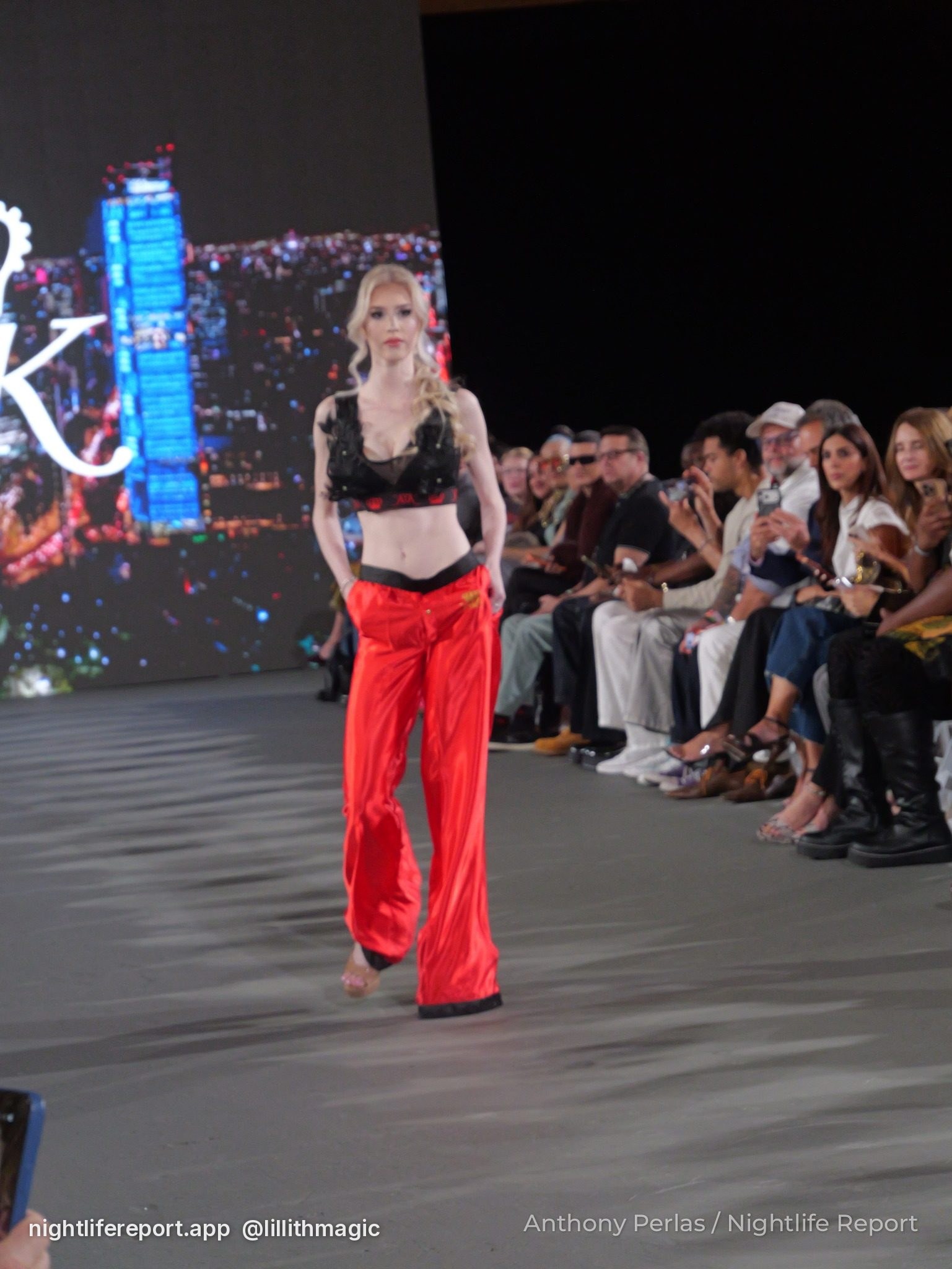
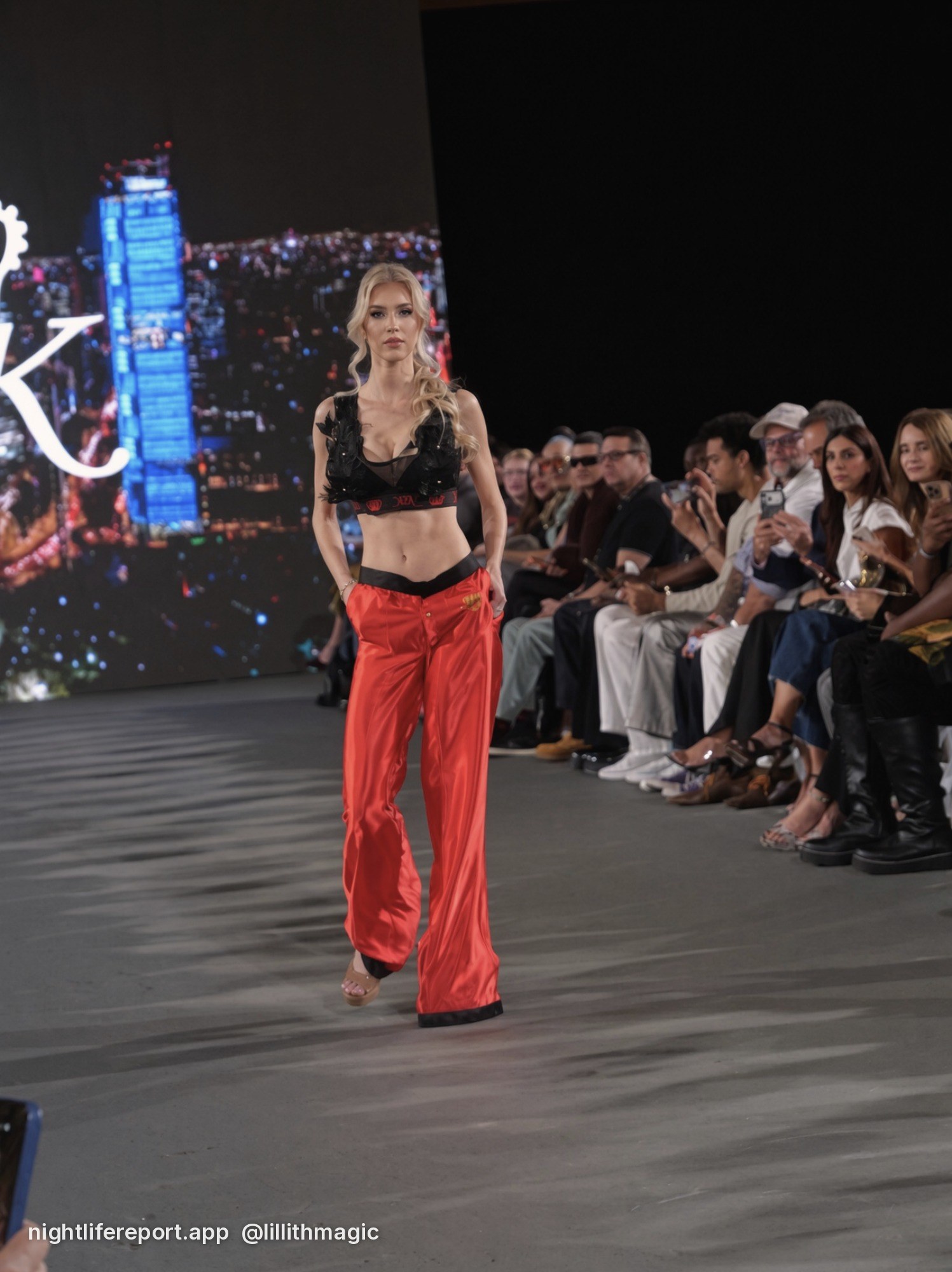
    Ava Kortman walks for Krown Kink at the Bureau LA Fashion Week Opening
    Ava Kortman for Krown Kink, “The Opening,” Fri. Oct. 16. Photo: Nightlife Report

    The receipts: what’s actually on the record

    • The name and the handle. Ava Kortman, Instagram @avakortman. Confirmed to Nightlife Report by our correspondent, Oct. 17, 2026.
    • The show. She walked for Krown Kink, the label of designer Casey Lee Parker (krownkink.net), in “The Opening,” Friday, Oct. 16, 6 p.m., at The Lot Studios, West Hollywood. (The Bureau Fashion Week schedule; our own photos)
    • The look. A black lace bra top, red satin wide-leg trousers and a black waistband, under the KK crown logo on the LED wall. (Nightlife Report photos)
    • A prior credit. Miami Living Magazine credits “Model @avakortman” on an image in its feature on Star Mother Swimwear, a story about that brand’s debut at Miami Swim Week: The Shows at the Mondrian South Beach. The post is dated Aug. 24; the year isn’t shown on the page, and whether that image came from the runway itself is unconfirmed.

    The blanks we won’t fill in

    Agency: unconfirmed. Hometown: unconfirmed. Age: not public, and we’re not guessing. Other show credits: unconfirmed. Instagram blocks automated lookups, so we haven’t been able to read her profile bio from our desk. Details are to come, and when they come, they’ll come from her or her people. Ava, the inbox is open.

    The scouting report (Nightlife Report analysis)

    Everything in this section is Nightlife Report analysis: our correspondent’s opinion from the media pit, measured against the Ford lens of presence, professionalism, poise and camera. No body or measurement judgments, ever.

    CategoryOur readWhat it’s based on
    WalkUpright and on line in every frame we have. We’re holding the pace-and-turn grade until we see video.Three frames from the front and on the return; stills can’t show tempo.
    PresenceThe headline. The room looked up. That’s why she took Model of the Event.Our published call from the pit, Day 1.
    CameraReads clean at full length: red satin against a dark runway, logo framed behind her.Our Krown Kink frames.
    VersatilityIncomplete. One Bureau look, plus one swim-and-resort editorial credit.Bureau runway; the Miami Living Magazine credit.

    The scout’s bottom line (Nightlife Report analysis): Eileen Otte Ford called it “an X factor.” We’d call it the thing you can’t teach and can’t fake on a Friday night in West Hollywood. Ava Kortman had it for one walk. The big question for a Model of the Year: can she do it again, in a second look, a second show, a second city? That’s the tape we want next.

    Coming up: Bureau Day 2
    Day 2 is live at The Lot Studios right now: Saturday Afternoon (2:30 p.m.), Saturday Evening (5:30 p.m.) and the 8:30 p.m. Finale, where co-founder Krissy King’s own label is on the bill, per the Bureau schedule. Is the Day 1 board about to get flipped? Our Day 2 scoreboard drops after the Finale. Don’t touch that dial.
    Follow the coverage.
    Nightlife Report: nightlifereport.app · blog.nightlifereport.app
    Instagram: @perlasunum and @lillithmagic
    The model: @avakortman · The designer: krownkink.net · @krownkink · @caseyleeparker1

    Labels on this page: “Nightlife Report analysis” marks opinion and prediction. Everything else is sourced and linked, or marked unconfirmed.

    — Anthony Perlas, Nightlife Report

    More from the Bureau’s LA Fashion Week

  • How a fashion week really works: money, labor and the Ford standard

    How a fashion week really works: money, labor and the Ford standard

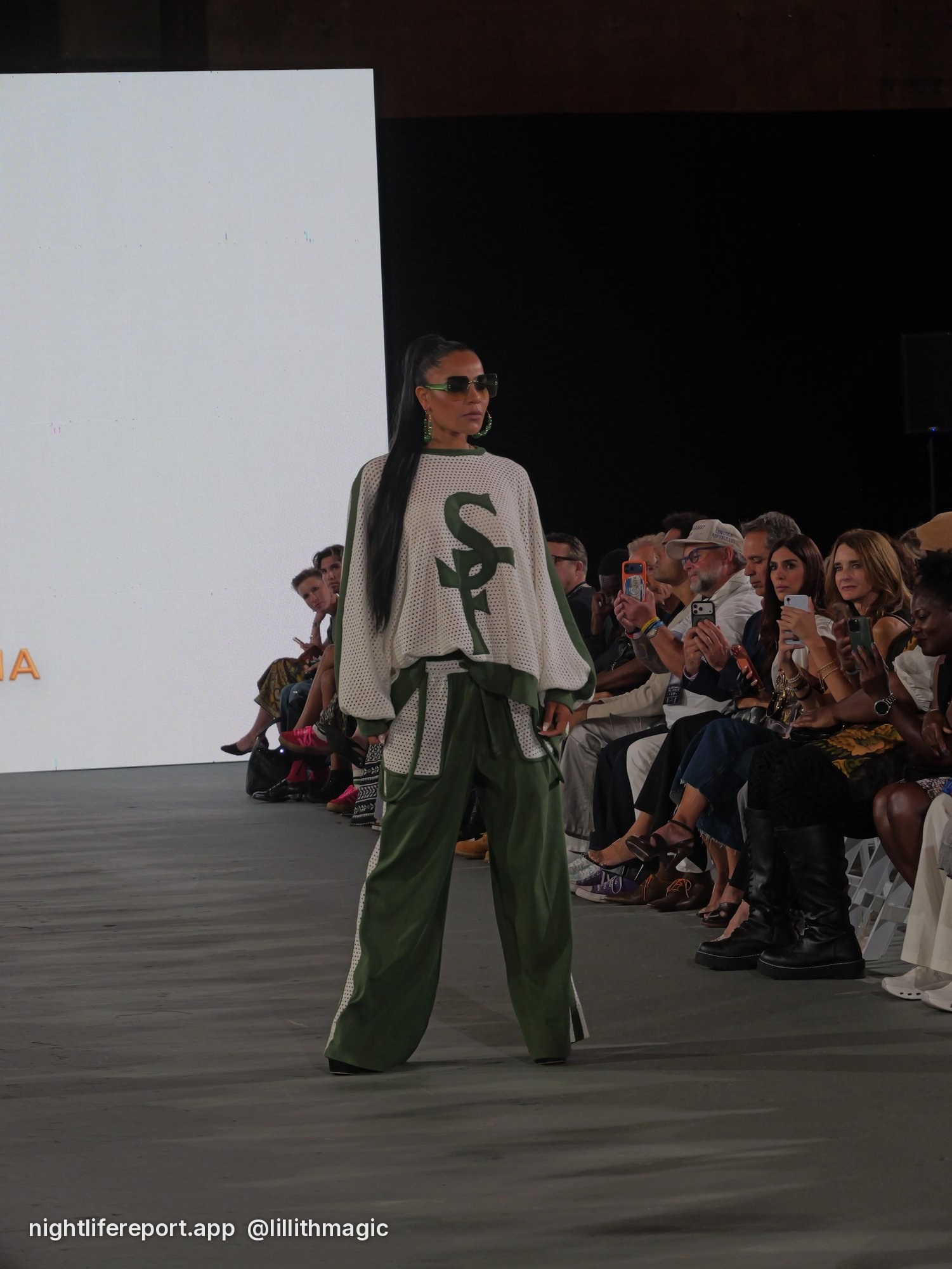
    Saint Fortuna on the runway at the Bureau's LA Fashion Week, Friday
    Saint Fortuna on the runway at the Bureau's LA Fashion Week, Friday. Photo: Nightlife Report

    Who pays for a fashion week, who gets paid, and what Ford Models co-founder Eileen Otte Ford's standard still asks of the industry, with the Bureau's LA Fashion Week as a worked example.

    A fashion week is a run of shows where designers present collections to press, buyers and, at some events, ticket-buying guests. Behind every runway is a business: someone pays for the room, the light and the models, and the people doing the work don’t always get paid. This explainer covers that business at industry level. It uses the Bureau’s LA Fashion Week (Oct. 16–18, 2026, The Lot Studios, West Hollywood) as a worked example and the career of Ford Models co-founder Ford (1922–2014) as a yardstick. Company figures are labeled as the company’s. Our estimates show their arithmetic.

    Formats

    • Calendar weeks. Designers produce their own shows, often in their own venues. A 2019 Vogue Business breakdown put a New York show at $125,000 to more than $300,000, before samples.
    • Platform or pay-to-show weeks. A producer rents the venue, runs production, supplies models and hair and makeup, and sells designers a package. Many also sell public tickets. The Bureau describes its weeks as “built from the ground up for a public audience” (event page).
    • “Fashion Week”-labeled events. Plenty of shows use the name without belonging to any official calendar. BuzzFeed’s 2022 reporting found models at several of them paid little or nothing.

    Practically endemic to the industry, especially for girls just starting out.

    The New Republic, 2019, on payment in trade

    Who pays

    Nobody pays the press. Press get access in exchange for coverage.

    What a show costs

    Christian Siriano’s New York budget, as reported by Vogue Business in 2019:

    An emerging label in the same article spent about $155,500 on its show, plus $150,000 on samples. Siriano on return: “it’s really hard for them to see actual return.”

    The labor

    • Models are usually independent contractors with no union (BuzzFeed). At “NYFW”-labeled shows in 2022, reported pay ran from nothing (a dress, or “exposure”) to a few hundred dollars. One model was paid $120 for a show and spent about $200 getting there.
    • Trade. Payment in clothes is “practically endemic to the industry, especially for girls just starting out,” The New Republic reported in 2019. A $1,500 rate paid in trade “can amount to a single dress.”
    • Hours. Models describe call times like “10 a.m. for a 5 p.m. show,” plus fittings the day before (BuzzFeed). The Bureau says a single runway runs 15–20 minutes and a multi-designer session one to two hours. Our estimate: seven to nine hours of a model’s day for 15–20 minutes on the runway, based on those reported call times.
    • Late pay. In a 2020 Model Alliance survey of 212 working models, 55% were owed money by clients and about 30% had waited more than 90 days (Cornell ILR).
    • Event staff are employees and get the local minimum wage. In West Hollywood that is $20.25 an hour for non-hotel employees in 2026, rising to $20.94 on Jan. 1, 2027 (City of West Hollywood).
    • Hair and makeup crews are often unpaid or sponsor-paid at smaller shows. “It’s very standard to be unpaid for shows,” one hairdresser told BuzzFeed.

    Agencies and commission

    • Before Ford, agencies found work, but models “were expected to set their own rates and collect their own wages” (Encyclopedia.com).
    • Ford Models paid models every Friday and recouped the fees from clients later (The Guardian; The Times). Jerry Ford’s voucher system ended waits of “a year or more to be paid” (NYT, via CNBC). Accounts of the commission vary: a 10% cut from the model (The Times), or 10% from the model plus 10% from the client (Encyclopedia.com). The agency also set fees for cancellations, fittings and bad weather.
    • Later, New York agencies reorganized in the 1970s as “management companies,” moving outside the 10% cap that applies to employment agencies. A class action by models against major agencies was “settled at $22 million in 2005” (The New Republic, citing sociologist Ashley Mears).
    • Now, in New York, the Fashion Workers Act, in effect since June 19, 2025:
      • caps commissions at 20% and bans signing fees;
      • requires a deal memo with total pay before work;
      • limits contracts to three years and bars automatic renewal;
      • requires separate written consent for digital replicas;
      • requires clients to pay at least 50% more for hours beyond eight in a day. It is New York law. In California, modeling agencies are licensed under the state’s Talent Agencies Act.

      Press and photographers

      A press credential is access, not income. At the Bureau, photographers in the media pit must deliver edited, high-resolution work within seven days of the show or risk being barred from future events. Photographers earn from the pictures afterward: licensing to outlets, selling selects to designers and models once usage is cleared, and new clients.

      The Ford standard

      The NYT wrote that Ford “influenced standards of beauty for more than four decades.” Her standard had four parts. The first three still hold. The fourth is history.

      What the Ford standard asks of a 2026 fashion week: pay people on time, and tell them the rate before they work; protect the youngest; set rules for clients, not only models; judge talent on presence and craft. Leave the body rules behind.

      The Ford standard, as Ford laid it out: the “tall, thin, often blond” Ford woman with “wide-set eyes and a long neck” (AP), and the blue-eyed Nordic look Vogue credits her with popularizing in the early 1960s (“They work hard, and they look more American than American girls,” she said of Swedish models). Anyone under 5 feet 7 was told to forget it: “If you’re short you’re not going to model. That’s it” (The Telegraph). The high-fashion bracket, as Robert Lacey records it in Model Woman (Vanity Fair adaptation), started at 5 feet 8, with a 32- to 33-inch bust, a 20- to 21-inch waist and 33-inch hips, because, as she explained, “photographic models must fit manufacturers’ samples.” The 34-24-34 figure is often cited for Ford models (Los Angeles Times, 2014). That’s the historical benchmark, not Nightlife Report’s standard.
      Sources: Robert Lacey, Model Woman: Eileen Ford and the Business of Beauty (2015); the New York Times and AP obituaries (2014); The Telegraph; Vogue; Los Angeles Times. Her own books: Eileen Ford’s Book of Model Beauty (1968), Secrets of the Model’s World (1970), Eileen Ford’s A More Beautiful You in 21 Days (1972) and Eileen Ford’s Beauty Now and Forever (1977).

      Worked example: the Bureau’s LA Fashion Week, October 2026

      • Producer: The Bureau Fashion Week, co-founded by Krissy King and Brady King. The company says it produces weeks in New York, Los Angeles and Paris, and its FAQ also lists Miami Swim Week.
      • Venue and schedule: The Lot Studios, 1041 N. Formosa Ave., with five shows across Oct. 16–17. Seven designers were listed for the 6 p.m. “The Opening”: Susan Kim, Dimez, Deborah Beaumont Designs, Krown Kink, X-X Co., Sewreffic and Saint Fortuna.
      • Prices (company figures): runway packages $5,000–$35,000; General Admission tickets $72.95.
      • Attendance (company figures, unverified): “12,000+ guests per event” on one Bureau page, “3,500-15K average attendees per event” on another.
      • Our estimate, designer fees for the Opening: $35,000 (7 × $5,000) to $245,000 (7 × $35,000), only if every listed designer paid list price. Discounts, bundles and shared sessions aren’t public.
      • Our estimate, tickets: about $7,300 gross for every 100 General Admission seats sold. Seat counts aren’t public.

      What isn’t public

      Real attendance, the fees designers actually paid, sponsor deals, whether and how models were paid at the Bureau, staffing levels, and the cost of the stage.

      Nightlife Report covered the Bureau’s LA Fashion Week from the media pit. Read our Day 1 report.

  • Designer spotlight: Sewreffic at the Bureau’s LA Fashion Week

    Designer spotlight: Sewreffic at the Bureau’s LA Fashion Week

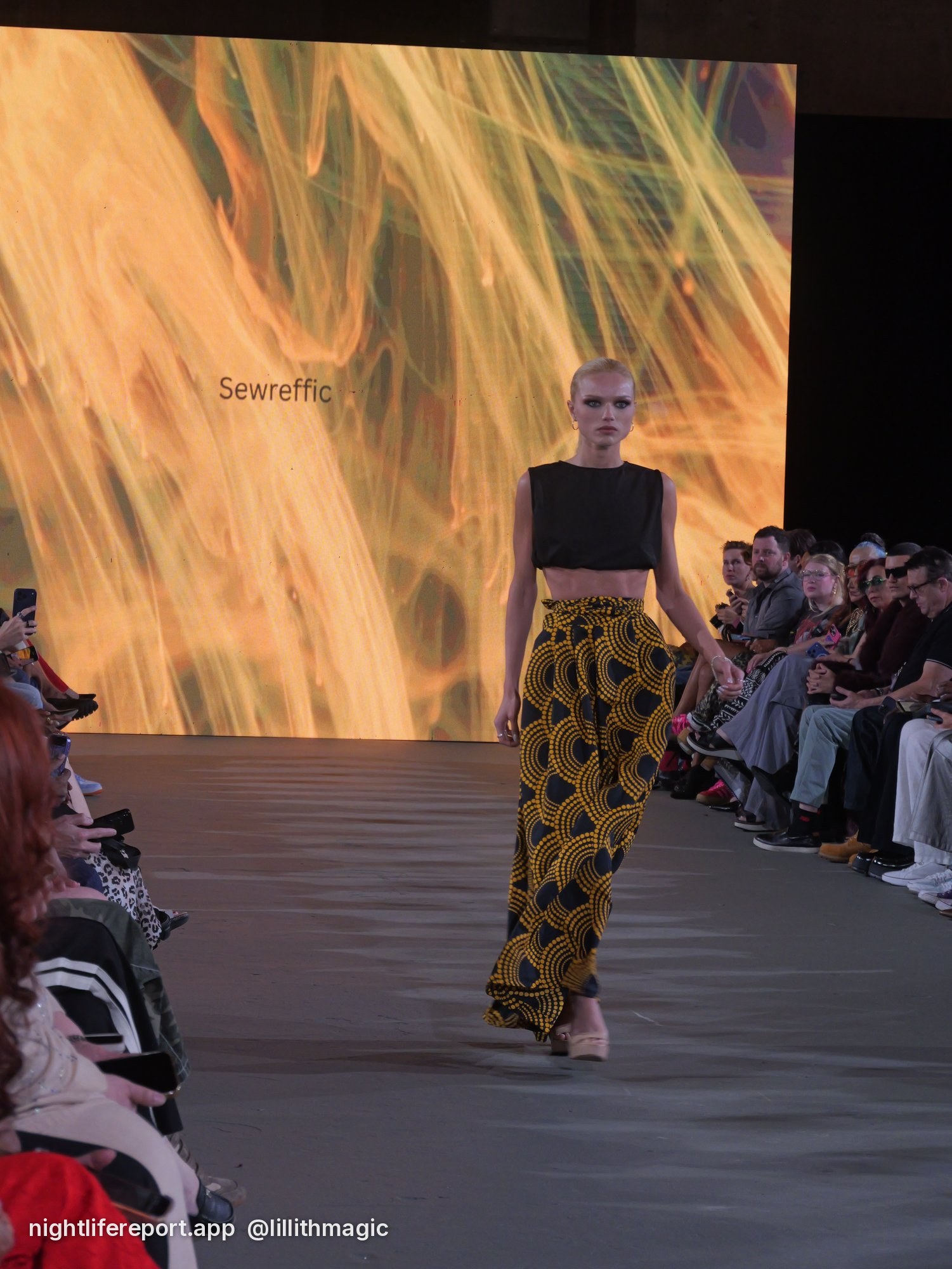
    Sewreffic on the runway at the Bureau's LA Fashion Week, Friday
    Sewreffic on the runway at the Bureau's LA Fashion Week, Friday. Photo: Nightlife Report

    Sewreffic showed at the Bureau's LA Fashion Week at The Lot Studios. What it takes to get a collection onto that runway, and the standard the room is judged by.

    Sewreffic put a collection on the runway at the Bureau’s LA Fashion Week this weekend. This is what that takes, and how a room like Friday’s decides who it remembers.

    By Anthony Perlas · Nightlife Report · Oct. 17, 2026

    WEST HOLLYWOOD, Calif. — The Bureau’s LA Fashion Week runs Oct. 16–18 at The Lot Studios, 1041 N. Formosa Ave., with five runway shows across Friday and Saturday, according to the producer’s event page. Sewreffic was among the designers who showed.

    What it takes to get on that runway

    Designers apply to the Bureau, and a curation team reviews each application on portfolio, collection cohesion, brand identity, creative direction and market fit, according to the Bureau’s designer FAQ. Most designers show 8 to 20 looks. Packages include runway production, hair and makeup teams, models, backstage support and technical direction, and designers can bring their own models with approval.

    Showing isn’t free. The Bureau’s published pricing lists runway shows at $5,000 to $35,000 depending on production level, with payment plans available. Those are the company’s figures. We don’t know what Sewreffic’s package cost, and we aren’t reporting one.

    That price compares with what designers pay elsewhere. A 2019 Vogue Business breakdown put a self-produced New York Fashion Week show at $125,000 to more than $300,000, not counting samples. Christian Siriano said of his shows: “it’s really hard for them to see actual return.” He still shows, because the runway is “such a big part of branding for the business.”

    I always said it was an X factor.

    Eileen Otte Ford to The Times of London, 2012

    The standard in the room

    Ford, co-founder of Ford Models, spent half a century deciding which faces would sell clothes. She said she couldn’t fully explain her eye. “I always said it was an X factor,” she told The Times of London in 2012. She also knew the business. “It’s all about money,” she told American Photo, as Encyclopedia.com records. A runway like Friday’s tests both halves: the collection has to make the room look up, and the show has to pay off for the brand afterward.

    The Ford standard, as Ford laid it out: the “tall, thin, often blond” Ford woman with “wide-set eyes and a long neck” (AP), and the blue-eyed Nordic look Vogue credits her with popularizing in the early 1960s (“They work hard, and they look more American than American girls,” she said of Swedish models). Anyone under 5 feet 7 was told to forget it: “If you’re short you’re not going to model. That’s it” (The Telegraph). The high-fashion bracket, as Robert Lacey records it in Model Woman (Vanity Fair adaptation), started at 5 feet 8, with a 32- to 33-inch bust, a 20- to 21-inch waist and 33-inch hips, because, as she explained, “photographic models must fit manufacturers’ samples.” The 34-24-34 figure is often cited for Ford models (Los Angeles Times, 2014). That’s the historical benchmark, not Nightlife Report’s standard.
    Sources: Robert Lacey, Model Woman: Eileen Ford and the Business of Beauty (2015); the New York Times and AP obituaries (2014); The Telegraph; Vogue; Los Angeles Times. Her own books: Eileen Ford’s Book of Model Beauty (1968), Secrets of the Model’s World (1970), Eileen Ford’s A More Beautiful You in 21 Days (1972) and Eileen Ford’s Beauty Now and Forever (1977).

    Sewreffic, Friday
    Sewreffic, Friday. Photo: Nightlife Report

    On the night

    Friday’s 6 p.m. “The Opening” started at about 6:30 by our photographer’s watch; the Bureau hasn’t confirmed the time. The media pit was packed. The set felt like a Hollywood studio production, and the tone was elegant and fairly conservative. Our best-designer pick for the night was Deborah Beaumont Designs; see our Day 1 coverage ranking.

    Coming up

    Nightlife Report is working on a conversation with Sewreffic. When it runs, it will be in the designer’s own words.

    Emily Sophie Christine walks for Sewreffic
    Emily Sophie Christine walks for Sewreffic. Photo: Nightlife Report

    Photography: Anthony Perlas / Nightlife Report. Event: The Bureau Fashion Week Los Angeles. Pricing figures are the producer’s published rates, not amounts paid by any designer.

  • Ava Kortman steals the show: Opening Night through the Eileen Ford lens

    Ava Kortman steals the show: Opening Night through the Eileen Ford lens

    Ava walks for Krown Kink at the Bureau's LA Fashion Week Opening, Friday, in a black lace bra top and red satin wide-leg trousers
    Ava Kortman (@avakortman) walks for Krown Kink in “The Opening,” Friday, Oct. 16. Photo: Nightlife Report

    Our model of the night at the Bureau's LA Fashion Week opening, read through the standard Ford Models co-founder Eileen Otte Ford used to spot stars.

    BREAKING: Ava’s designer revealed. The model who owned Friday’s opening at the Bureau’s LA Fashion Week walked for Krown Kink (@krownkink), the label of designer Casey Lee Parker (@caseyleeparker1). The house bills itself as a “Luxury Fashion House designed by Casey Lee Parker.” The look: a black lace bra top, red satin wide-leg trousers and a black waistband, under the KK crown on the LED wall.

    The woman who built Ford Models said she could never explain the thing she was looking for. On Friday night at The Lot, our pick for model of the night had it.

    By Anthony Perlas · Nightlife Report · Oct. 17, 2026

    WEST HOLLYWOOD, Calif. — Ford co-founded Ford Models in the late 1940s and ran it for almost half a century. The New York Times wrote that she “influenced standards of beauty for more than four decades.” She scouted the way a photographer works: one face, one frame at a time. Sometimes she would follow a stranger for a few blocks, “appraising her (and, after drawing close enough, usually walking away).”

    At the Bureau’s LA Fashion Week opening on Friday, from the center of a packed media pit, we found one model we couldn’t look away from: Ava, walking for Krown Kink.

    The call

    Nightlife Report named Ava model of the night in our Day 1 model-first ranking. That is our editorial view from the pit. It is not an official Bureau result, and the Bureau announced no winners.

    The camera lens was ruthless, and so was Eileen.

    The Guardian, 2014

    The Ford test: the X factor

    Ford never claimed to have a formula. “I always said it was an X factor,” she told The Times of London in 2012. “They just had it.”

    She did describe what it looked like. “There’s a cockiness to them,” she told Life magazine in 1970, as Encyclopedia.com records. “It’s a way they have of moving, and it’s a way of talking to you.” That was our standard Friday: who made a crowded, camera-heavy room look up.

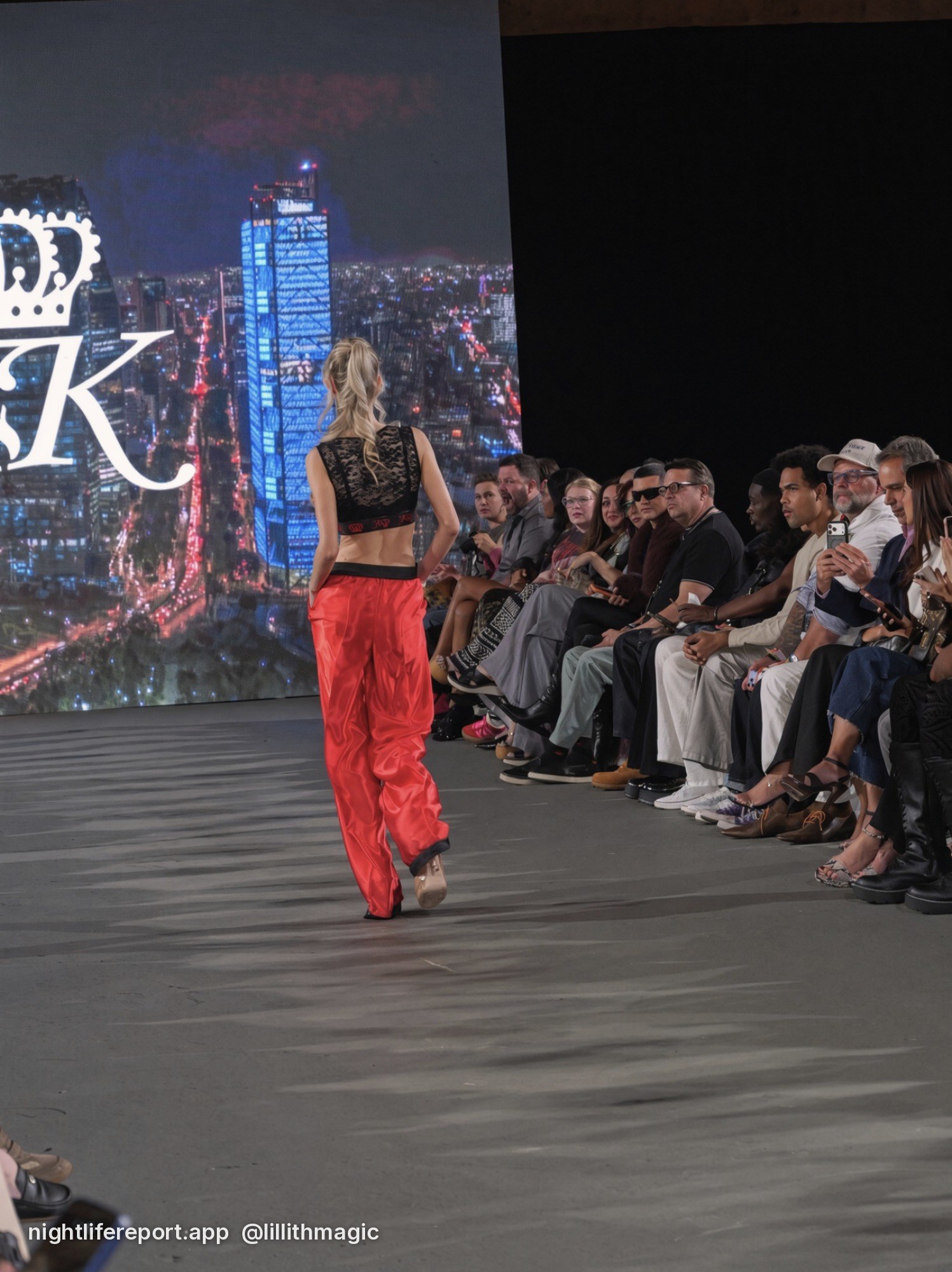
    Ava on the return for Krown Kink, the KK crown logo on the LED wall
    Ava on the return for Krown Kink, the KK crown mark on the LED wall. Photo: Nightlife Report. This view and the one from the seats below were taken from her live feed on Instagram.

    The look: Krown Kink

    Krown Kink (@krownkink) is the label of designer Casey Lee Parker (@caseyleeparker1). It was on the Bureau’s published bill for the 6 p.m. show, “The Opening,” on Friday, Oct. 16. Ava’s look paired a black lace bra top with red satin wide-leg trousers finished in a black waistband. The red read cleanly against the dark runway, and the KK crown logo filled the LED wall behind the walk.

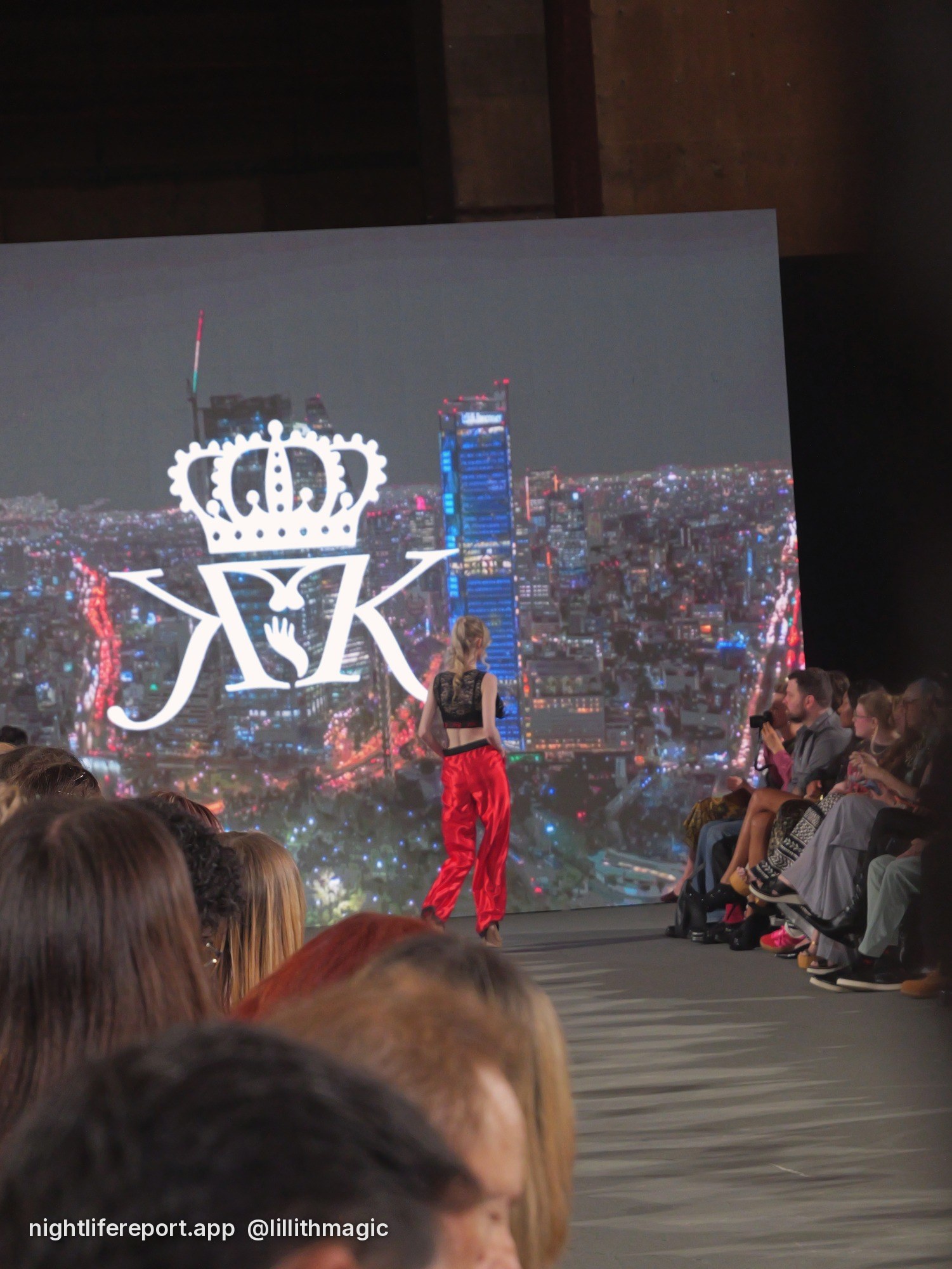
    Crowd view of Ava on the Krown Kink runway, the KK crown logo on the screen behind her
    From the seats: Ava for Krown Kink, the KK crown logo on the screen behind her. Photo: Nightlife Report

    The room she had to hold

    The 6 p.m. show, billed “The Opening,” started at about 6:30 by our photographer’s watch; the Bureau hasn’t confirmed the time. The pit had no room to move. The lights stayed on the walk. The music mixed urban and cultural sounds, including segments set to African designers’ music. The tone was elegant and fairly conservative, and the set felt like a Hollywood studio production. Ava held that room.

    Built for the lens

    Ford judged for the camera. “The camera lens was ruthless, and so was Eileen,” The Guardian wrote in her obituary. Ford Models’ trade was photographs, and our job in the pit was the same: find the frames that read.

    The business half of the standard

    “Models are a business, and they have to treat themselves as a business,” Ford told the Toronto Star in 1988, as the Associated Press reported. The Fords helped turn modeling into a steady job. Her husband, Jerry, introduced a five-day workweek and a voucher system so models were paid in advance, at a time when they “often had to wait a year or more to be paid,” per the Times.

    What we leave out

    Ford also had strict rules about height, weight and figure, and they drew criticism for decades. On “The Dick Cavett Show” in 1971 she said, “slender people bury the dead.” We don’t apply those rules to anyone. This call is about presence, carriage and the camera. It isn’t about bodies.

    The Ford standard, as Ford laid it out: the “tall, thin, often blond” Ford woman with “wide-set eyes and a long neck” (AP), and the blue-eyed Nordic look Vogue credits her with popularizing in the early 1960s (“They work hard, and they look more American than American girls,” she said of Swedish models). Anyone under 5 feet 7 was told to forget it: “If you’re short you’re not going to model. That’s it” (The Telegraph). The high-fashion bracket, as Robert Lacey records it in Model Woman (Vanity Fair adaptation), started at 5 feet 8, with a 32- to 33-inch bust, a 20- to 21-inch waist and 33-inch hips, because, as she explained, “photographic models must fit manufacturers’ samples.” The 34-24-34 figure is often cited for Ford models (Los Angeles Times, 2014). That’s the historical benchmark, not Nightlife Report’s standard.
    Sources: Robert Lacey, Model Woman: Eileen Ford and the Business of Beauty (2015); the New York Times and AP obituaries (2014); The Telegraph; Vogue; Los Angeles Times. Her own books: Eileen Ford’s Book of Model Beauty (1968), Secrets of the Model’s World (1970), Eileen Ford’s A More Beautiful You in 21 Days (1972) and Eileen Ford’s Beauty Now and Forever (1977).

    The bill

    The Bureau’s published schedule lists seven designers for the 6 p.m. show: Susan Kim, Dimez, Deborah Beaumont Designs, Krown Kink, X-X Co., Sewreffic and Saint Fortuna. Our best-designer pick was Deborah Beaumont Designs. Ava walked for Krown Kink, designed by Casey Lee Parker. Emily Sophie Christine walked for Sewreffic. The rest of the running order is still being confirmed. If you walked, send us your name and we’ll credit you.

    We’re back Saturday for the 2:30 p.m. and 8:30 p.m. shows.

    Photography: Anthony Perlas / Nightlife Report. Event: The Bureau Fashion Week Los Angeles. Ranking is Nightlife Report’s editorial opinion, not an official result.

  • Emily and the other models worth knowing from Opening Night

    Emily and the other models worth knowing from Opening Night

    Emily Sophie Christine walks for Sewreffic at the Bureau's LA Fashion Week, Friday
    Emily Sophie Christine walks for Sewreffic at the Bureau’s LA Fashion Week, Friday. Photo: Nightlife Report

    Emily and the models who held the room at the Bureau’s LA Fashion Week opening, judged on presence, carriage, the camera and professionalism, the parts of Eileen Otte Ford’s standard that still hold.

    Some 60,000 hopefuls a year came through Ford’s open houses and scouting trips. She estimated about 30 a year made it. We use her checklist, minus the body rules, on the runway we photographed Friday.

    By Anthony Perlas · Nightlife Report · Oct. 17, 2026

    WEST HOLLYWOOD, Calif. — Ford Models co-founder Ford ran one of the hardest funnels in fashion. The Associated Press reported that about 60,000 people a year came to the agency’s open houses and scouting trips, about 100 reached the testing stage, and she estimated about 30 established a foothold. Here is how her standard reads on Friday’s runway at the Bureau’s LA Fashion Week.

    The checklist

    What we leave out: Ford’s height, weight and figure rules. They are documented and drew decades of criticism, and we don’t apply them to anyone.

    None of these will do. I want to look at all entrants.

    Ford, Helsinki, 1961, per The Times

    Emily

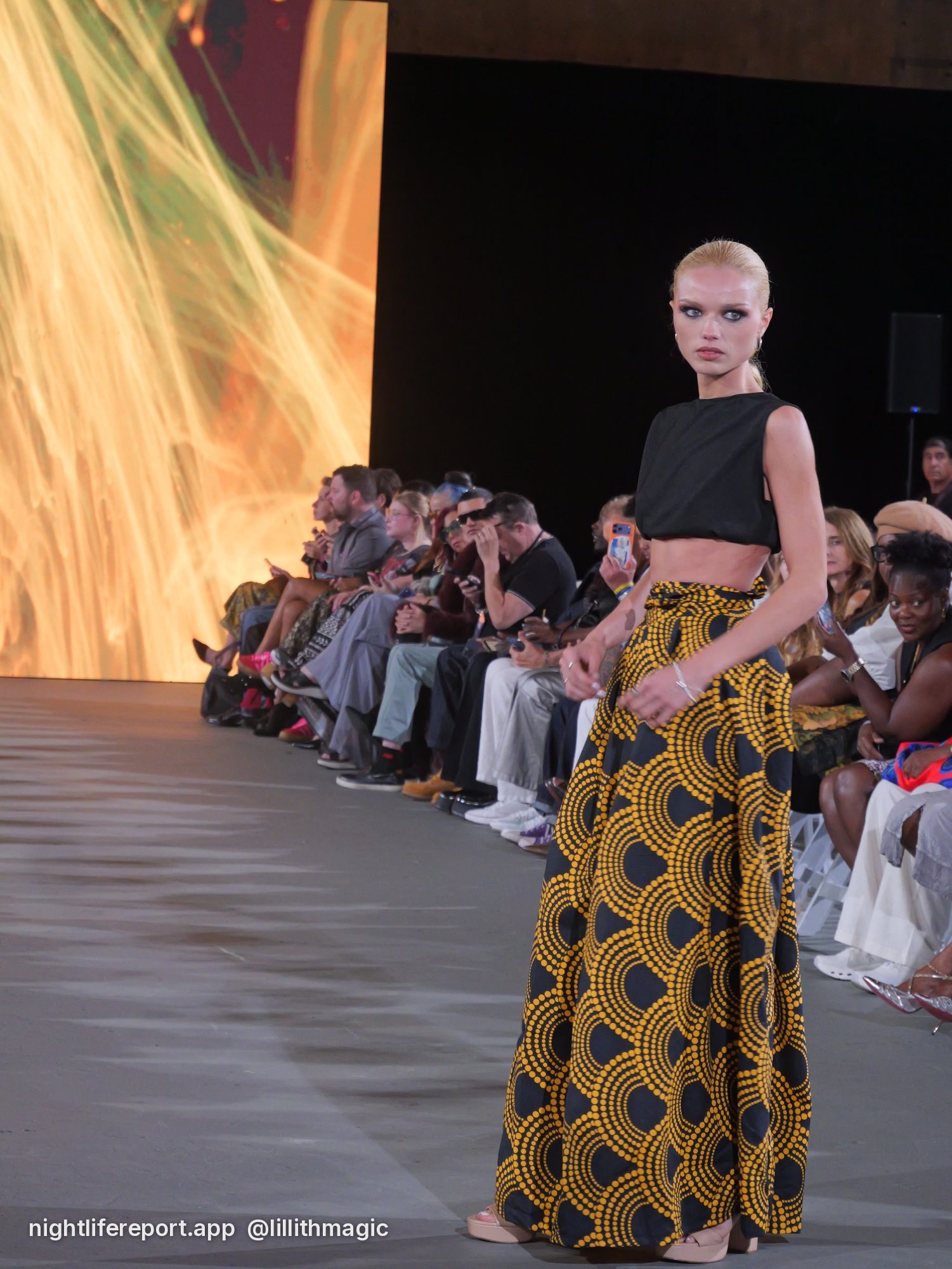
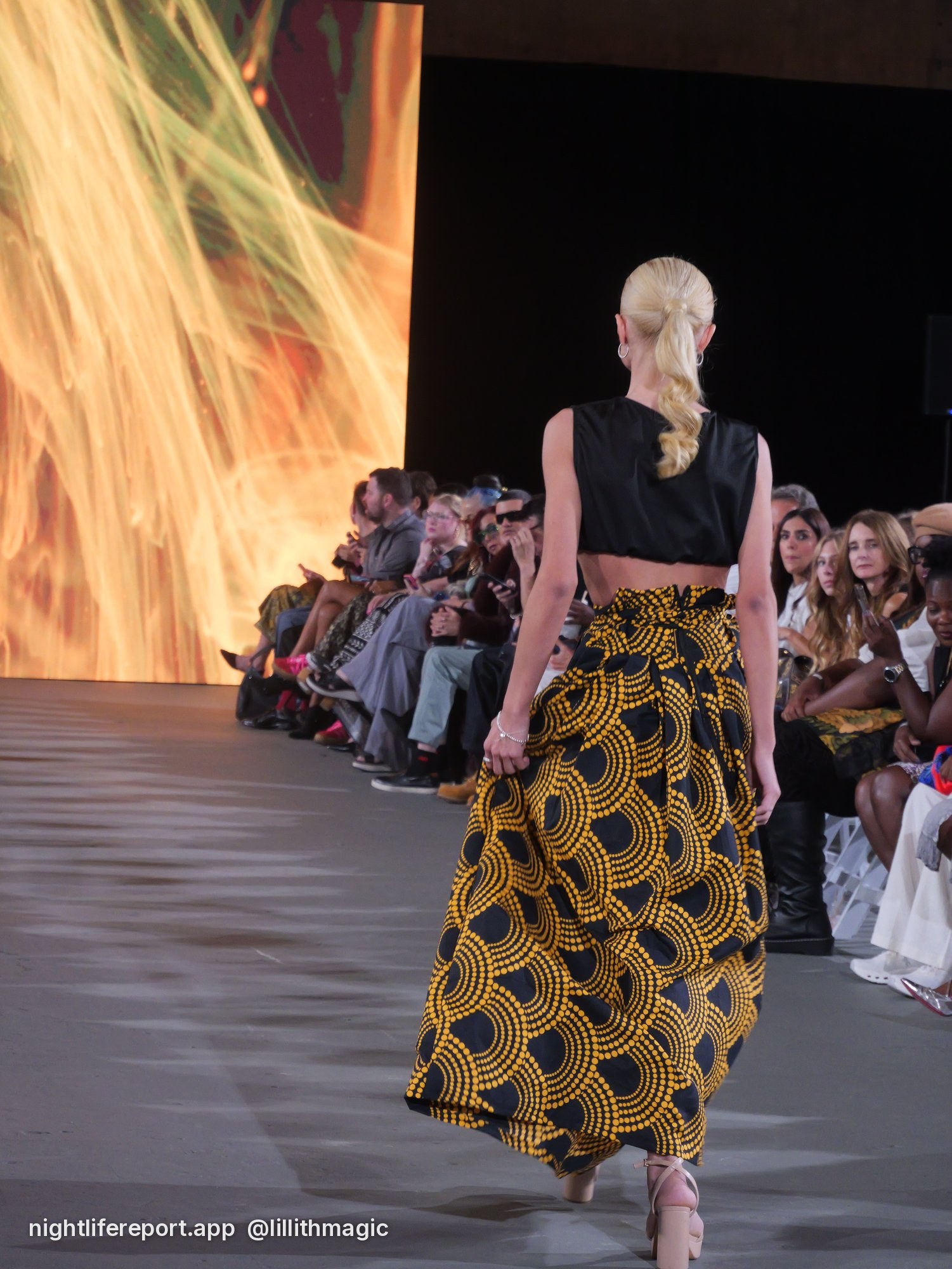
    Emily Sophie Christine (@emilysophiechristine) walked for Sewreffic (@sewreffic) in Friday’s 6 p.m. show, “The Opening.” She is the model in our photographs from that show, in a black top and a gold-and-navy dot-print maxi skirt under the runway lights. Emily’s team placed second in our Day 1 coverage ranking. That is our editorial view, not a Bureau result.

    Emily Sophie Christine for Sewreffic
    Emily Sophie Christine for Sewreffic. Photo: Nightlife Report

    The rest of the runway

    Our model-first ranking has our model of the night. Beyond that, the Bureau hasn’t published a model list, and we won’t guess names from photos.

    Ford held herself to a similar rule. Judging a magazine beauty contest in Helsinki in 1961, she was handed the editors’ top 20 and refused them: “None of these will do. I want to look at all entrants,” she said, according to the Times. She went through more than 700 photos. If you walked Friday’s 6 p.m. show, send us your name and we’ll add you.

    Why a Ford lens now

    Ford’s standard had two halves. One was an eye for presence that still holds up. The other was a body ideal the industry is still arguing about. A 2017 Model Alliance study found 62% of models had been told to lose weight by their agency or an industry professional, The New Republic reported. We keep the first half and leave out the second.

    The Ford standard, as Ford laid it out: the “tall, thin, often blond” Ford woman with “wide-set eyes and a long neck” (AP), and the blue-eyed Nordic look Vogue credits her with popularizing in the early 1960s (“They work hard, and they look more American than American girls,” she said of Swedish models). Anyone under 5 feet 7 was told to forget it: “If you’re short you’re not going to model. That’s it” (The Telegraph). The high-fashion bracket, as Robert Lacey records it in Model Woman (Vanity Fair adaptation), started at 5 feet 8, with a 32- to 33-inch bust, a 20- to 21-inch waist and 33-inch hips, because, as she explained, “photographic models must fit manufacturers’ samples.” The 34-24-34 figure is often cited for Ford models (Los Angeles Times, 2014). That’s the historical benchmark, not Nightlife Report’s standard.
    Sources: Robert Lacey, Model Woman: Eileen Ford and the Business of Beauty (2015); the New York Times and AP obituaries (2014); The Telegraph; Vogue; Los Angeles Times. Her own books: Eileen Ford’s Book of Model Beauty (1968), Secrets of the Model’s World (1970), Eileen Ford’s A More Beautiful You in 21 Days (1972) and Eileen Ford’s Beauty Now and Forever (1977).

    Photography: Anthony Perlas / Nightlife Report. Event: The Bureau Fashion Week Los Angeles. Rankings are Nightlife Report’s editorial opinion, not official results. The Bureau named no winners.