
Open attacks are easy to see. Quiet ones cost more. Here is how to spot both.
Two kinds
Overt hostility is open: criticism, insults, a door slammed. Covert hostility is hidden, and it is usually more expensive.
Overt
You know where you stand. Someone tells you your work is bad or you do not belong. It hurts, but it is clear.
Covert
The backhanded compliment. The missing credit. “Just come for the exposure.” It feels friendly and leaves you smaller.
The research
Psychologist John Gottman found four patterns that predict relationships breaking down: criticism, contempt, defensiveness and stonewalling.
Contempt is the worst
Gottman called contempt the single best predictor of divorce in his studies. It often hides as sarcasm, eye-rolling or a joke at your expense.
RelatedOppression vs. Suppression: Know Which One Is Holding You Down
Small and constant
Psychiatrist Chester Pierce coined the term “microaggressions” in 1970 for small, everyday put-downs. Small hits add up.
Covert sign 1
Your wins are met with silence or a quick change of subject.
Covert sign 2
Your name goes missing from the credits, the tags or the room where decisions are made.
Covert sign 3
Help is offered only when it keeps you dependent, never when it would help you leave.
The tracking rule
Track people by what happens to you after you spend time with them. More energy and more work, or less?
Write it down
Keep a short note after meetings. Patterns hide in memory but show up on paper within a few weeks.
Respond to overt
Name it calmly, set a boundary and move on. Open hostility is easier to answer.
Respond to covert
Ask directly: “Can you tag me on that?” “What is the rate?” Covert hostility hates clear questions.
Anthony’s rule
Keep people who make you bigger. Limit time with those who make you smaller, no matter how friendly they sound.
The takeaway
Judge people by results, not tone. Your cluster should leave you stronger every time.
Not everyone is hostile
Most people mean well. The tracking rule is not paranoia. It is how you find the ones who truly build you up.
First principles
Overt is loud and cheap. Covert is quiet and expensive. Track outcomes, not tone.
Sources
- J. Gottman, Why Marriages Succeed or Fail (1994); Gottman Institute, “The Four Horsemen.”
- C. Pierce (1970), “Offensive mechanisms,” in The Black Seventies.
- Anthony Perlas, field account from LA nightlife (his experience, not a survey).
Part of Is There Room for You? The Heaven Room series.
Join the Heaven Room
Talk it through with the group on Discord. Support the series and get the full carousels on Patreon.
Anthony Perlas · nightlifereport.app
You might also like
 ExplainersGo Door to Door: Parking-Lot Conversations Beat Waiting for a Patron
 CultureBuild Your Cluster: A Colony of People Who Value You
 CultureWhy It’s Harder to Hit the Sun Than to Leave the Solar System
 CultureThe Sun’s “Sink”: The Rubber-Sheet Picture and Where It Breaks
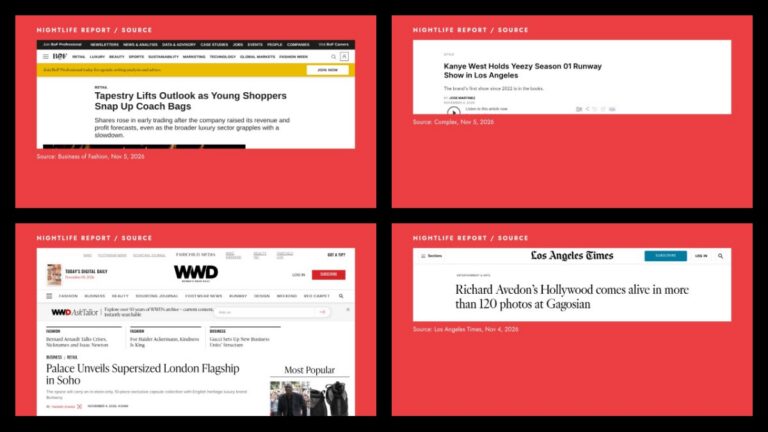 NewsWhat You Missed: Thursday, Nov 5
 VideoWhy Thursday Is Jupiter’s Day: Dies Iovis and the Spiritual Forecast
Leave a Reply